Hello. I am Heeji Song, Chief Director of BELLOISE Clinic.
“My under-eyes look so hollow that people tell me I look tired every day.” “I am afraid of surgery. Can filler create a natural-looking change?”
It can be upsetting to look tired when you do not feel tired. Dark shadows under the eyes may also attract your attention whenever you look in the mirror.
The delicate skin around the eyes often shows age-related changes early. For appropriate patients, filler may help address certain under-eye concerns.
The first step is to understand what is changing beneath the skin, rather than simply adding volume.
Contents: 1. Under-eye changes and anatomy. 2. Bulging fat and deeper volume loss. 3. Assessing dark circles.
1. Under-Eye Changes and Anatomy
Over time, deeper facial fat may diminish while more superficial fat becomes prominent. Changes in the underlying bone and supporting ligaments can also contribute to an uneven under-eye contour.
These transitions create shadows that may make the face look darker or more tired. Some patients consider fat repositioning surgery, while others seek a non-surgical alternative.
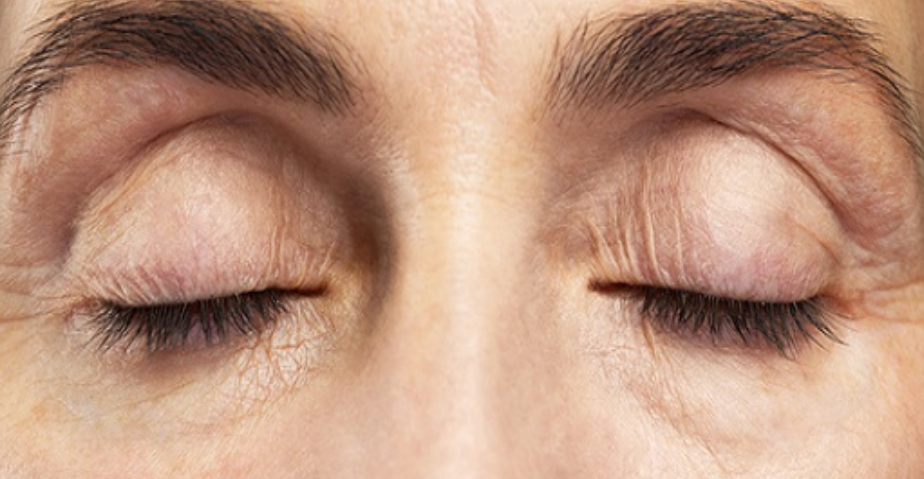
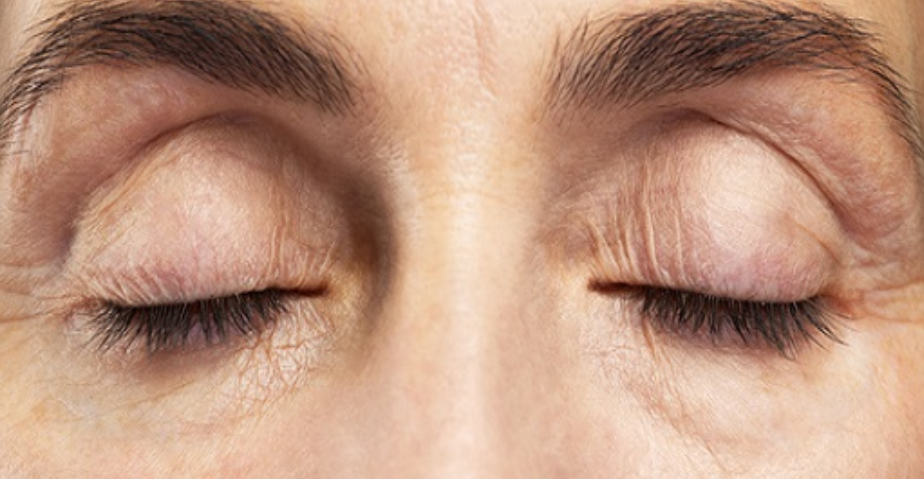
For suitable patients, restoring volume in deeper hollow areas can help smooth transitions and soften the overall appearance.
2. Bulging Fat and Deeper Volume Loss
People in their fifties and older may notice increasingly prominent under-eye fat. Surgery may feel burdensome because of the procedure itself or recovery time.
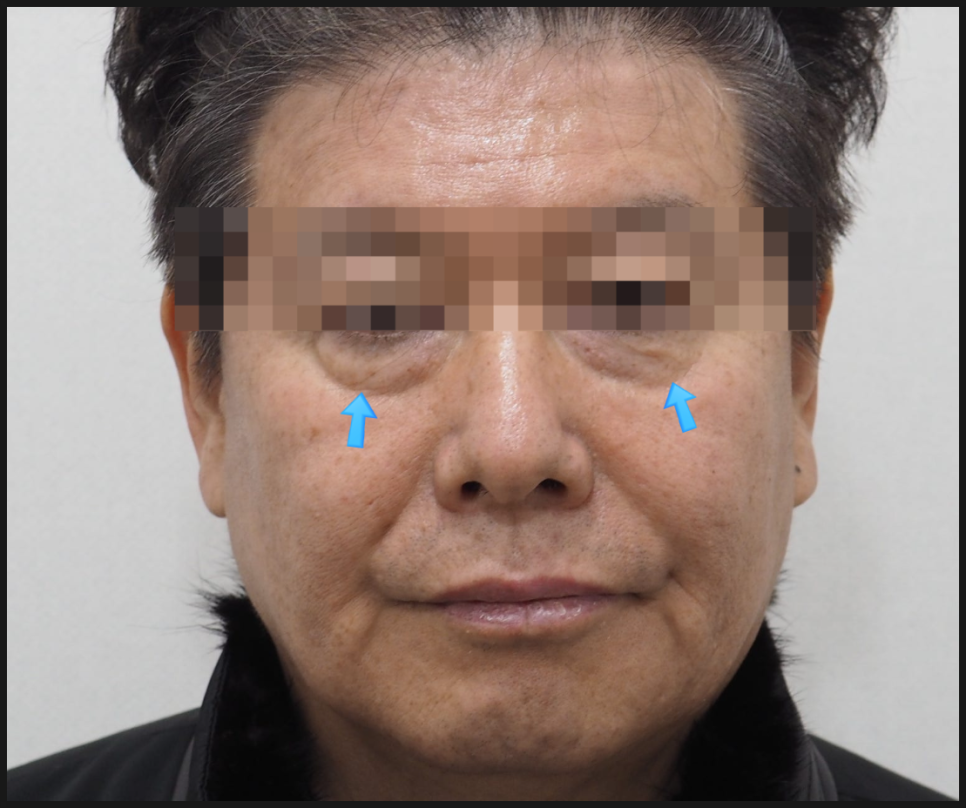
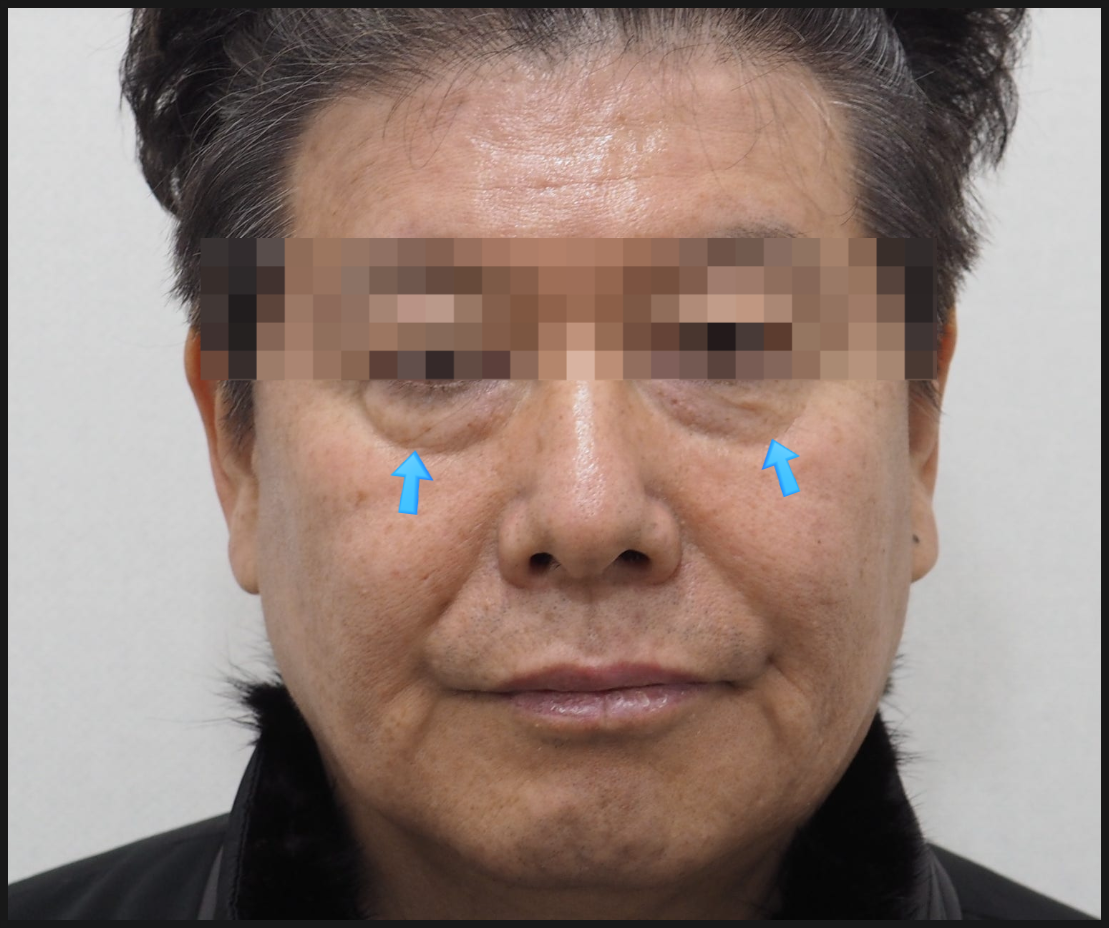
Before under-eye filler: a patient in their fifties.
Hyaluronic acid filler can be used to refine the contour in suitable cases. Placing filler only in a superficial layer can make the surface uneven or create a bluish appearance, so the deeper support and appropriate injection plane must be assessed first.
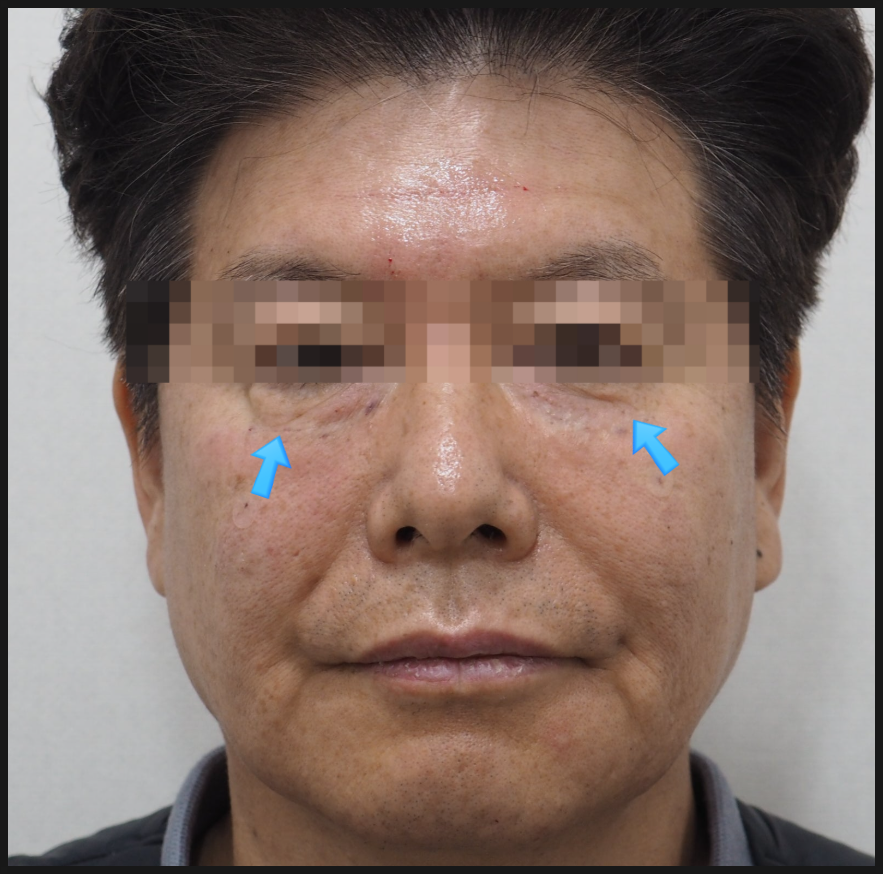
The source case describes a conservative amount of approximately 1 cc, followed by observation for about two weeks. The amount and follow-up schedule must be individualized.After under-eye filler: the same patient in their fifties.
Adding too much at once can cause swelling and an unnatural appearance. A conservative initial treatment with later reassessment may be appropriate.
The article describes a duration of around one year, with gradual absorption over time. Duration varies, and any maintenance treatment should follow reassessment.
3. Assessing Dark Circles
Younger patients often visit because of dark circles rather than bulging fat. Three broad causes are hollowness, visible blood vessels, and pigmentation associated with factors such as rubbing or allergies.
When the shadow is caused by a physical hollow, filler may help restore the contour. The photographs show an example involving a patient in their thirties.
Before under-eye filler: a patient in their thirties.
After under-eye filler: the same patient in their thirties.

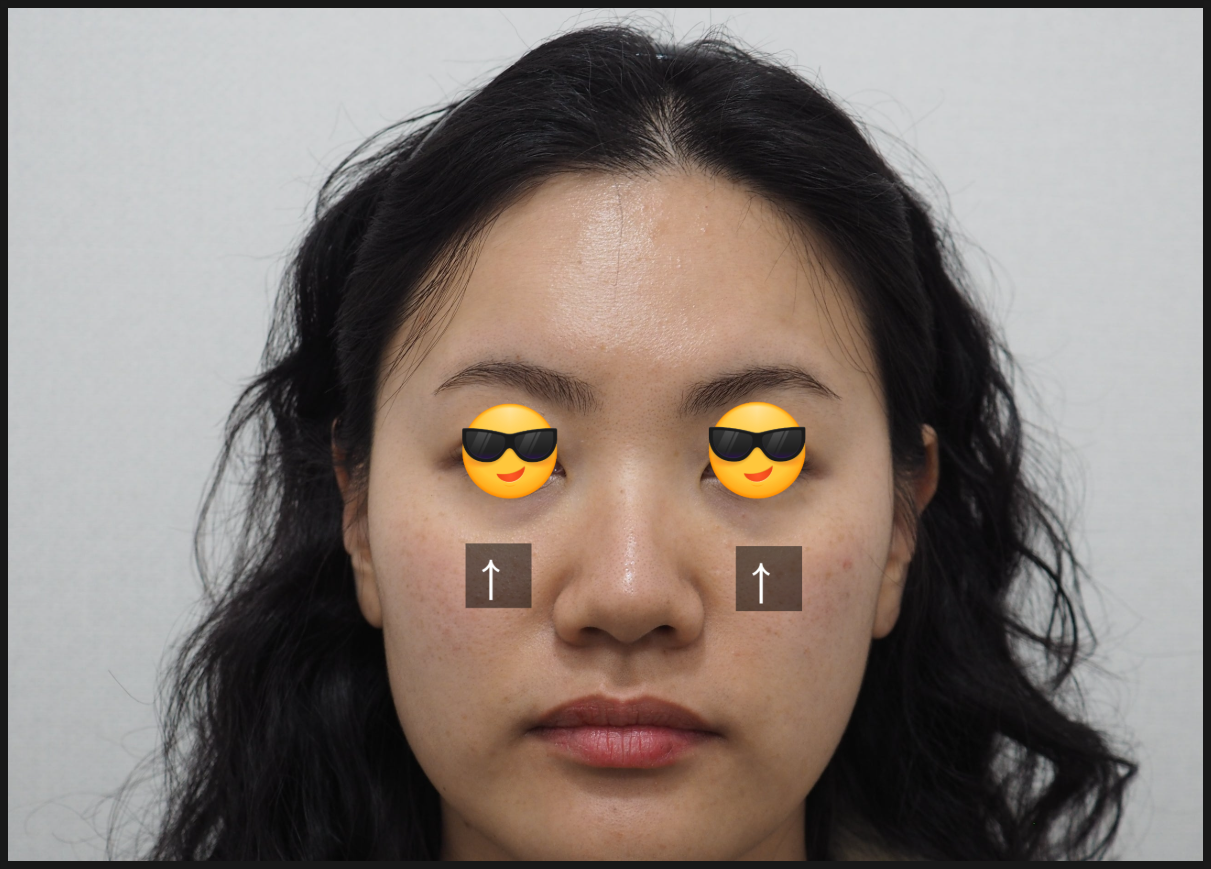

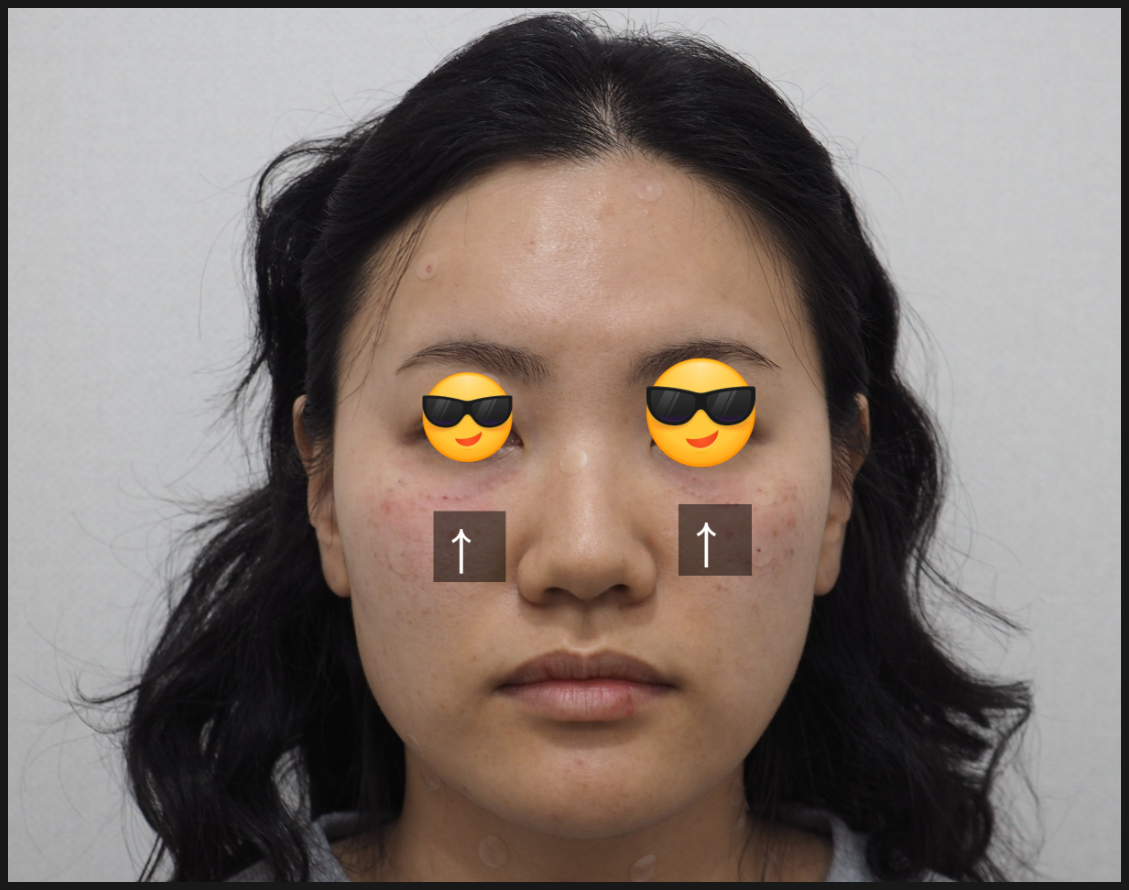
The early photograph shows some unevenness at the transition along the tear trough. In this case, deeper filler was used to support the hollow, with a small amount near the transition to blend the contours.
The source article explains that the early unevenness in this particular case settled over time. This should not be taken to mean that every lump or irregularity is expected or harmless; concerns after treatment require assessment by the treating clinician.
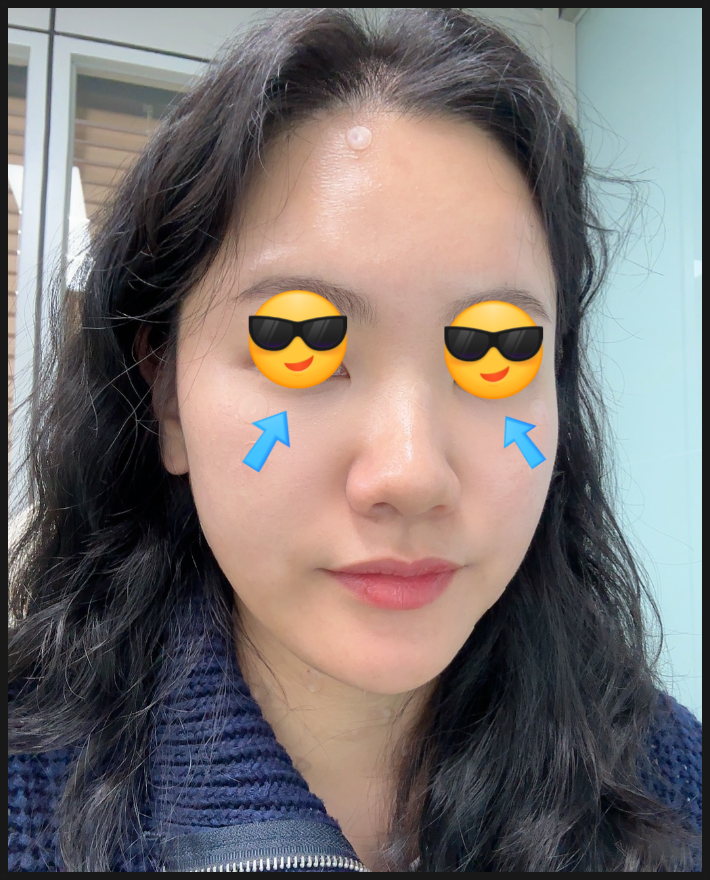
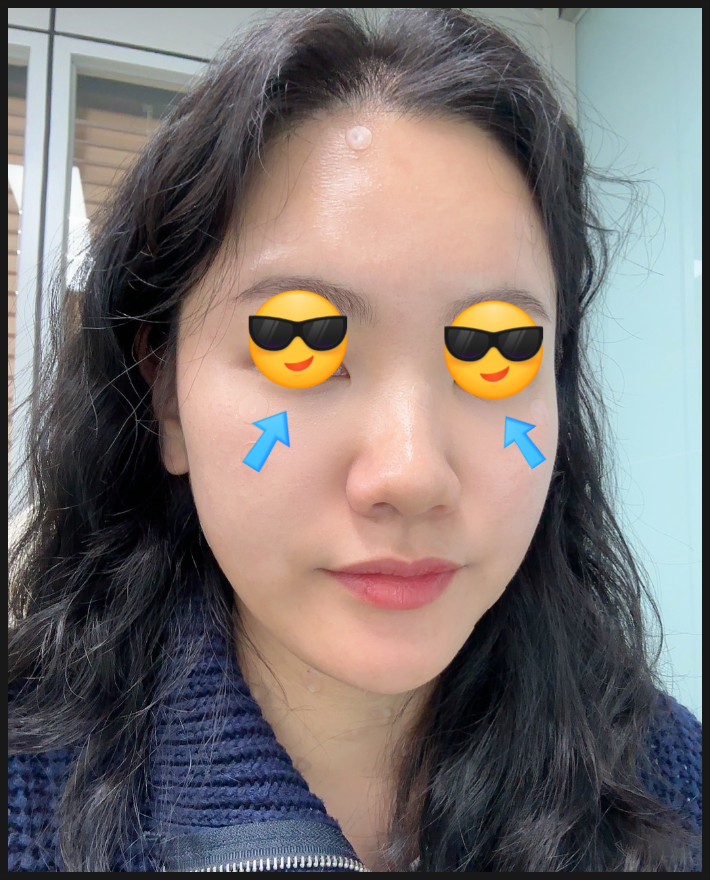
Later follow-up after under-eye filler: the early unevenness in this example has settled.
Product properties are important in this delicate area. A soft filler may be selected to suit the tissues and intended injection plane.
When volume loss is addressed appropriately, the under-eye area may look less hollow. Dark circles related to visible vessels or pigmentation may require a different or combined approach, such as laser treatment after assessment.

The eye area contains many delicate nerves and blood vessels. Injection depth and volume can make a substantial difference to the result.
Choose an experienced clinician who can assess subtle anatomical changes, perform the treatment carefully, and provide follow-up care.
Consider the options and their limitations before making a plan. Thank you for reading. Heeji Song, Chief Director of BELLOISE Clinic.